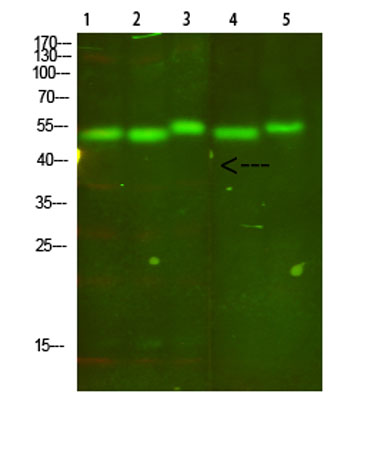
| cofactor:Binds 2 heme groups non-covalently.,disease:Defects in MT-CYB are a rare cause of mitochondrial dysfunction underlying different myopathies. They include mitochondrial encephalomyopathy, hypertrophic cardiomyopathy (HCM), and sporadic mitochondrial myopathy (MM). In mitochondrial myopathy, exercise intolerance is the predominant symptom. Additional features include lactic acidosis, muscle weakness and/or myoglobinuria. Defects in MTCYB are also found in cases of exercise intolerance accompanied by deafness, mental retardation, retinitis pigmentosa, cataract, growth retardation, epilepsy (multisystem disorder).,disease:Defects in MT-CYB are the cause of cardiomyopathy infantile histiocytoid (CMIH) [MIM:500000]. CMIH is characterized by the presence of pale granular foamy histiocyte-like cells within the myocardium. It usually affects children younger than 2 years of age, with a clear predominance of females over males. Infants present with dysrhythmia or cardiac arrest, and the clinical course is usually fulminant, sometimes simulating sudden infant death syndrome.,disease:Defects in MT-CYB contribute to Leber hereditary optic neuropathy (LHON) [MIM:535000]. LHON is a maternally inherited disease resulting in acute or subacute loss of central vision, due to optic nerve dysfunction. Cardiac conduction defects and neurological defects have also been described in some patients. LHON results from primary mitochondrial DNA mutations affecting the respiratory chain complexes.,function:Component of the ubiquinol-cytochrome c reductase complex (complex III or cytochrome b-c1 complex), which is a respiratory chain that generates an electrochemical potential coupled to ATP synthesis.,miscellaneous:Heme 1 (or BL or b562) is low-potential and absorbs at about 562 nm, and heme 2 (or BH or b566) is high-potential and absorbs at about 566 nm.,similarity:Belongs to the cytochrome b family.,subunit:The bc1 complex contains 11 subunits: 3 respiratory subunits (cytochrome b, cytochrome c1 and Rieske/UQCRFS1), 2 core proteins (UQCRC1/QCR1 and UQCRC2/QCR2) and 6 low-molecular weight proteins (UQCRH/QCR6, UQCRB/QCR7, UQCRQ/QCR8, UQCR10/QCR9, UQCR11/QCR10 and a cleavage product of Rieske/UQCRFS1)., |